

Pergament is a full-cycle printing house in Chisinau, Moldova, since 1999. We print branded and product catalogs from 10 copies: short and urgent runs go digital, on press-class Konica Minolta machines, with quality close to offset and lead times from 1 day; large runs — on German offset presses. Binding: saddle stitch, wire-o or perfect binding; for the cover — lamination, foil stamping and spot UV varnish. We cost each catalog operation by operation and show from what run offset pays off. For brands: the catalog, booklet and packaging for a product launch are made in one place and come out on the same date in a single colour scheme.
Prices and run sizes
| Run and task | Printing | Price | Lead time |
|---|---|---|---|
| Short run — from 10 copies | digital, press-class Konica Minolta | on quotation | from 1 day |
| Top-up run | digital | on quotation | on quotation |
| Large run | offset, German presses | on quotation | per the machine-load plan |
| Repeat run | from the stored specification | on quotation | faster and simpler than the first: nothing needs re-approval |
| Catalog plus booklet or packaging for a launch | digital or offset | on quotation | on the same date |
The price depends on run, format, page count, paper, binding and finishing, so we cost each job individually. Contract and invoice come from the same calculation — no discrepancies between quote and invoice; the price is fixed in the invoice.

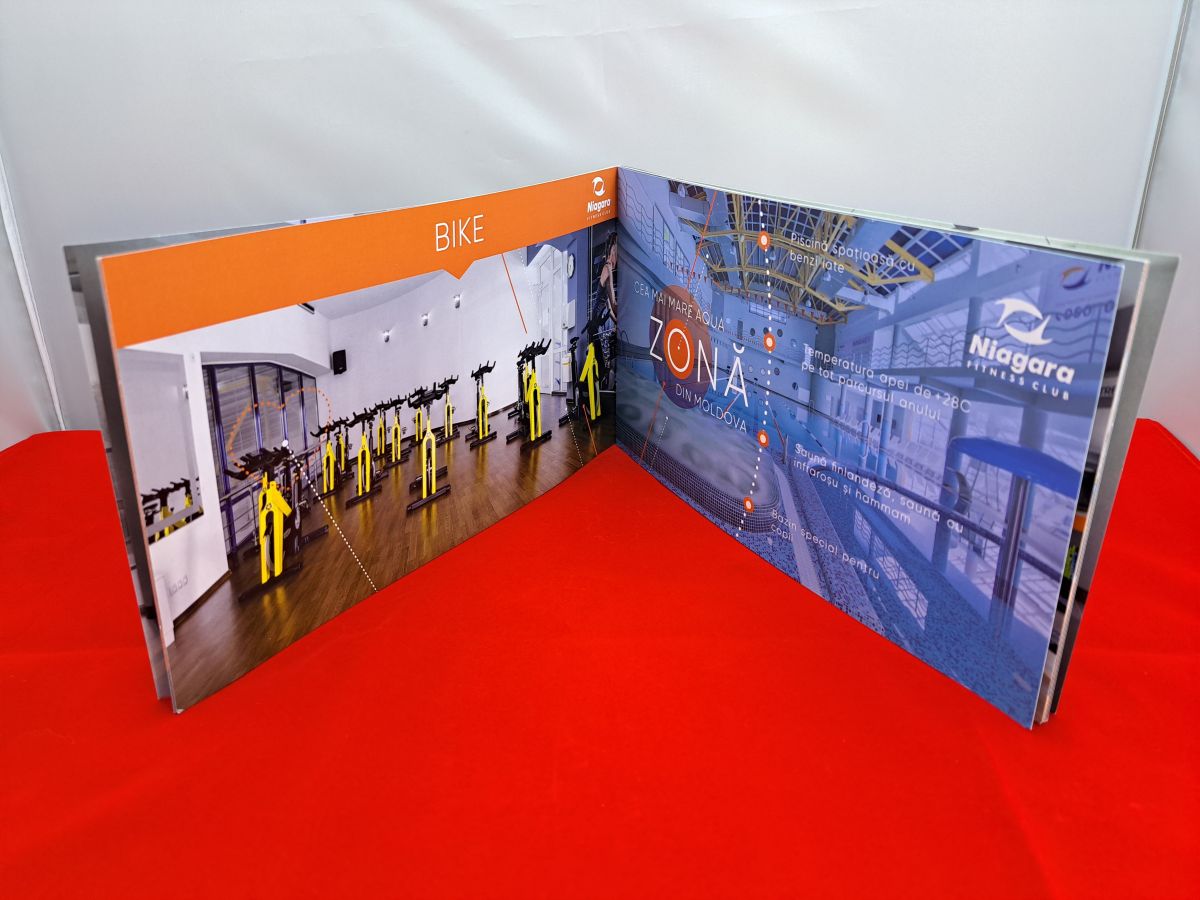
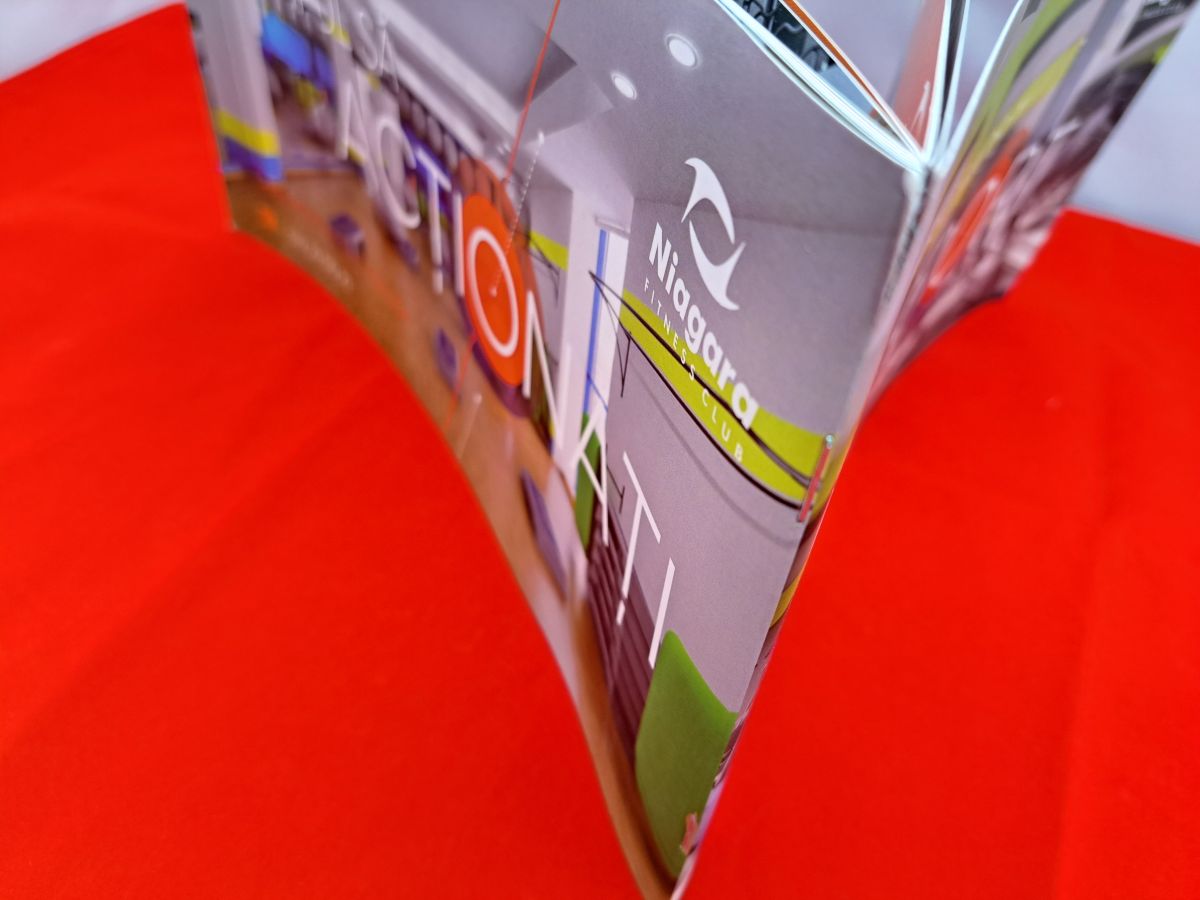


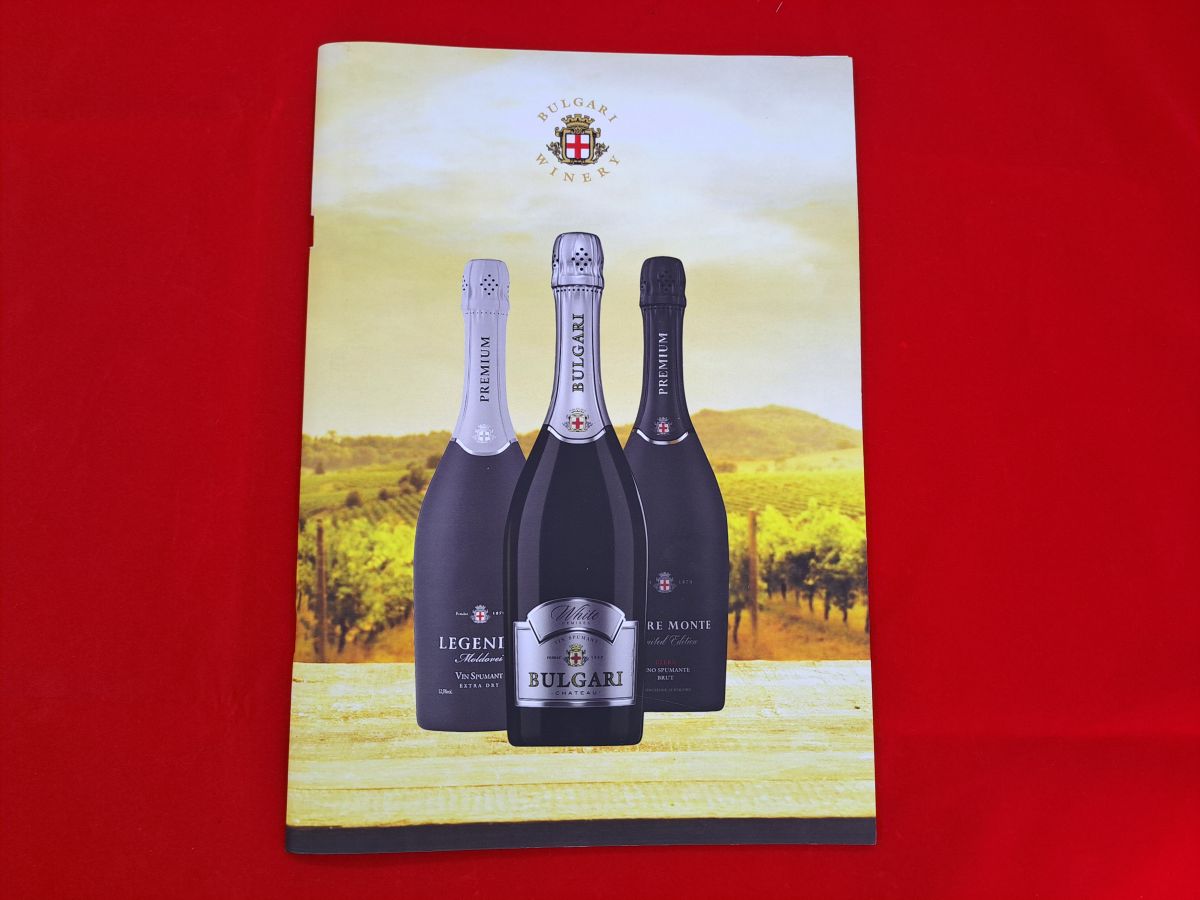


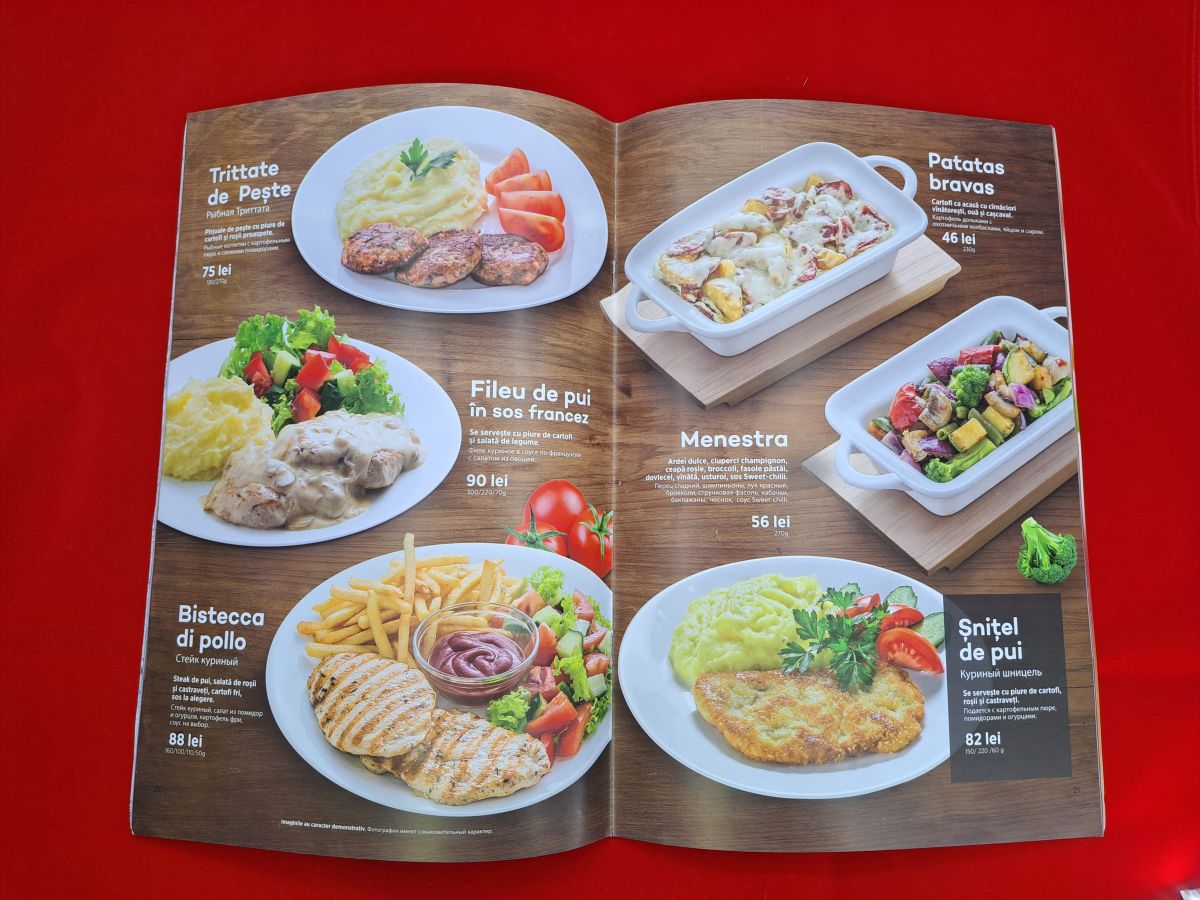


Catalog types and binding
You choose the subject, purpose and volume. By purpose, catalogs come in three types:
- Image — the company presentation comes first, then the description of the goods.
- Advertising — an overview of products, promotions and discounts; it may include prices.
- Periodic — printed at set intervals, each time with updated information about the company, promotions and products; easy to reissue from the stored specification.
Binding options:
| Binding | Strengths | Artwork notes |
|---|---|---|
| Saddle stitch (staples) | the block is fastened with 2–3 staples — inexpensive and durable | general requirements |
| Wire-o | opens 360°, often used for exhibition materials; bound on an automatic line — fast, with the same quality across the whole run | general requirements |
| Perfect binding (glued, no sewing) | compact and light, made quickly, but not the most durable binding | cover as a separate layout, in spreads (pages 1 and 4, 2 and 3) plus the spine; add 10 mm to the inner margins of all pages on the spine side — gluing takes about 5 mm, plus the score |
Alongside catalogs we print glossy magazines, books, brochures, booklets, POS materials and business printing.
Materials, printing and finishing
- Printing. Our press-class Konica Minolta digital department, with quality close to offset, prints pilot batches and top-up runs; the printing method is chosen to fit the run and budget, not the other way round.
- Post-press: cutting, die-cutting, lamination, creasing, stitching, embossing, folding, varnishing. On site — three folding machines, from compact inserts to newspapers, a Horizon binding line, automatic wire-o binding, three guillotines and four laminators.
- Cover: lamination; metallic foil stamping and spot UV on automatic machines; die and setup costs are one-off, so on medium and large runs the finishing adds only a few percent to the unit price.
- Paper and samples: before you order, we will show you samples of finished products and materials — a meeting, photos or a sample, your choice.
As a rule, lamination films are in stock. Matte, gloss and soft-touch — for all our sheet sizes; board and materials are imported directly from mills in Europe and Asia. Cover lamination does not wait for a delivery, and there is no middleman's margin in the price. More: About us.
How we work
- Inquiry. Send the subject, purpose, approximate volume and quantity (ideally 2–3 options at once), plus artwork if you have it. No artwork? We help with editing, design and layout during preparation; every incoming file is checked by our prepress specialists.
- Quote. Operation-by-operation costing in our production system: one reply gives 2–3 variants — say, another quantity or a cover with and without lamination — and shows from what run offset pays off.
- Artwork and approval. Preparing artwork yourself? Follow the artwork requirements: for a multi-page edition the printed layout must be assembled into a finished sample (not necessarily at original size). For digital printing you can order a test print for colour matching. You approve the artwork before the run.
- Production and dispatch. The median time from order placement to production start is one day; the shipping date comes from the machine-load plan. Printing, folding, binding and trimming — the full cycle at our own plant; we arrange delivery across Chisinau and Moldova.
Questions and answers
What is the minimum catalog run and lead time?
From 10 copies and from 1 day — that is digital printing of short runs. Offset lead times depend on run size and finishing complexity; your manager will confirm the exact schedule once the artwork is approved.
How much does catalog printing cost?
It depends on run, format, page count, paper, binding and finishing — each job is costed individually. Digital suits a small run, offset is more cost-effective for a large one — the quote shows from what run.
Can I order a catalog together with packaging?
Yes, and it is the most convenient way: one contractor, one deadline, consistent brand colours across all media. We cut the box prototype on a plotter from 30 minutes.
Can you repeat our catalog exactly a year later?
Yes. Every order's tech passport has been stored in the system since 2014; a repeat run is made from it, not from memory. For a periodic catalog this is routine: every second order is a repeat run or a new version of a product we have already made.
What happens if our manager changes — or yours?
Nothing. Your order history, prices and notes are kept in the system, not in one person's head.
How fast do you quote a catalog?
Operation-by-operation costing takes minutes; one reply gives 2–3 variants — by run length or finishing.
How do I know what stage my order is at?
Operations are registered on shop-floor terminals in real time; the manager sees the stage without calling the shop floor.